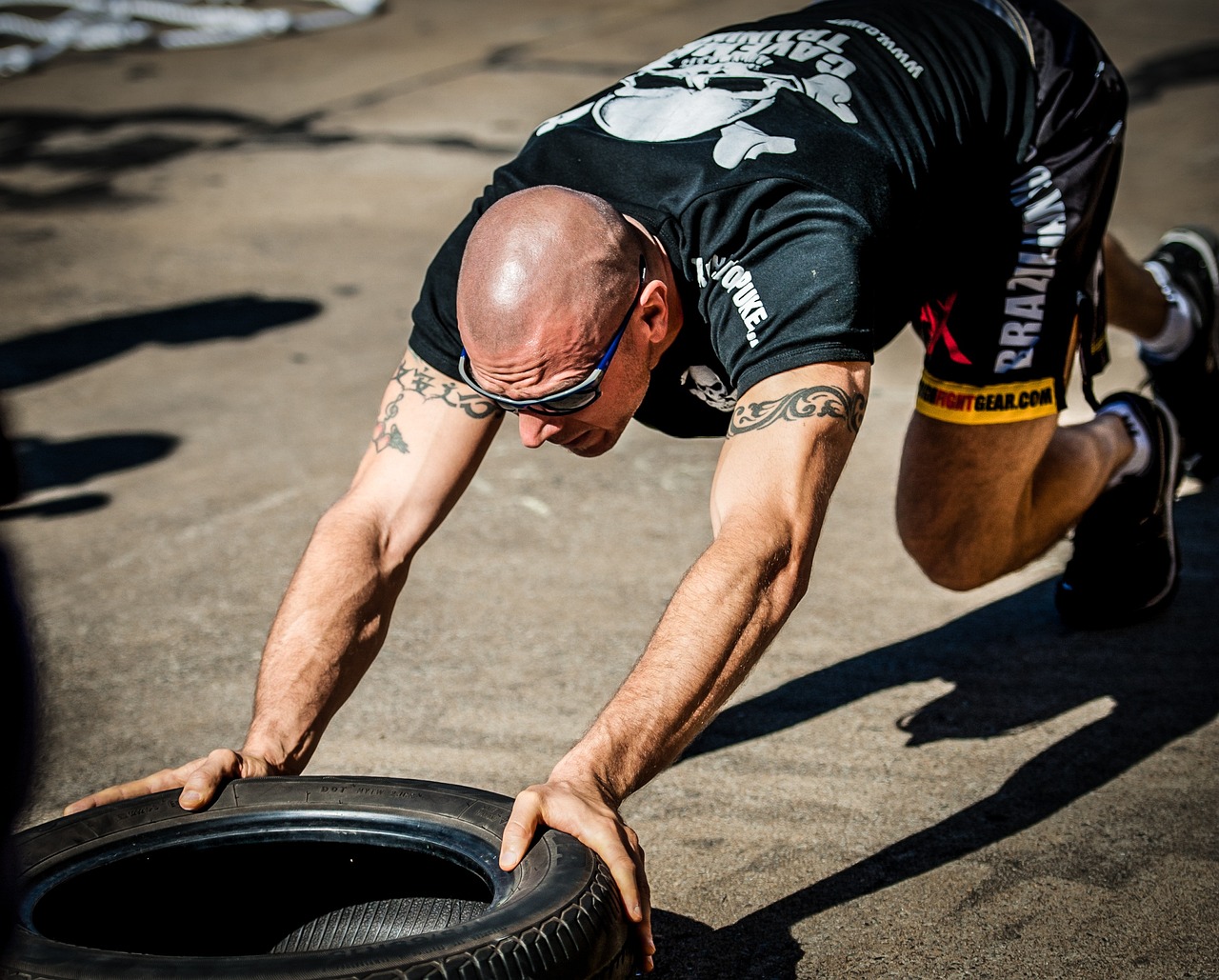
The ability to sustain effort over an extended period is a cornerstone of human performance, not just for elite athletes but for anyone seeking a healthier, more vibrant life. Endurance training, a discipline focused on enhancing your body’s capacity to work longer and stronger, transcends the boundaries of sport. It’s about building resilience, improving cardiovascular health, and unlocking a deeper well of physical and mental stamina that empowers you in every aspect of your daily existence. Whether you dream of running a marathon, keeping up with your kids, or simply feeling less fatigued, understanding and implementing effective endurance training principles is your pathway to a more enduring self.
What is Endurance Training and Why Does It Matter?
Endurance training, often interchangeably referred to as stamina training, is any physical activity that increases your cardiorespiratory fitness. It involves training your body to efficiently use oxygen and energy over prolonged periods, delaying fatigue and improving overall work capacity. This isn’t just about running marathons; it encompasses a wide range of activities from cycling and swimming to hiking and even sustained resistance training.
Defining Endurance and Its Types
Endurance can be broadly categorized into two main types:
Cardiovascular Endurance (Aerobic Endurance): This is the ability of your heart, lungs, and blood vessels to supply oxygen-rich blood to working muscles efficiently during sustained physical activity. Activities like long-distance running, cycling, and swimming are prime examples. It’s often measured by your VO2 max – the maximum amount of oxygen your body can utilize during intense exercise.
Muscular Endurance: This refers to the ability of a muscle or group of muscles to repeatedly exert force against resistance over an extended period. Think of holding a plank for a long time, performing many repetitions of a squat, or continuous climbing.
The Multifaceted Benefits of Endurance Training
Beyond the obvious performance gains, endurance training offers a wealth of health and lifestyle advantages:
Improved Cardiovascular Health: Strengthens the heart muscle, lowers resting heart rate and blood pressure, and improves blood circulation, significantly reducing the risk of heart disease and stroke.
Enhanced Lung Capacity: Increases the efficiency of your lungs, allowing you to take in and utilize more oxygen with each breath.
Increased Stamina and Energy Levels: You’ll find daily tasks less taxing and have more energy for leisure activities.
Effective Weight Management: Burns a significant number of calories and helps in maintaining a healthy body composition.
Better Stress Management and Mental Well-being: Releases endorphins, which have mood-boosting effects, reduces anxiety, and improves sleep quality. Studies show regular aerobic exercise can be as effective as medication for mild depression.
Stronger Immune System: Regular moderate endurance exercise can boost your immune system, helping your body fight off illnesses.
Improved Bone Density: Weight-bearing endurance activities like running and hiking can help strengthen bones and reduce the risk of osteoporosis.
Actionable Takeaway: Start by identifying one or two endurance activities you genuinely enjoy. Consistency is key, so choose something you can stick with. Even 30 minutes of brisk walking most days of the week can kickstart significant improvements in your endurance.
Principles of Effective Endurance Training
To maximize your endurance gains and minimize injury risk, it’s crucial to follow established training principles. These guidelines provide the framework for a robust and progressive training plan.
Progressive Overload: The Foundation of Improvement
This fundamental principle dictates that to continue improving, you must gradually increase the demands placed on your body. If you always do the same workout, your body adapts and stops getting fitter.
How to Apply:
Increase Duration: Gradually add time to your workouts (e.g., run for 35 minutes instead of 30).
Increase Intensity: Pick up the pace, incorporate hills, or use higher resistance.
Increase Frequency: Add an extra training session to your week.
Reduce Rest: Decrease the rest time between intervals or sets.
Example: If you currently cycle 10 miles in 45 minutes, aim to either cycle 11 miles in the same time (intensity) or cycle 10 miles in 42 minutes (intensity), or cycle 10 miles twice a week instead of once (frequency).
Specificity: Train How You Compete (or Live)
Your body adapts specifically to the type of training you do. If you want to improve your running endurance, you need to run. While cross-training has benefits, your primary training should mimic the activity you’re trying to improve.
How to Apply:
Mimic Movement Patterns: If training for a triathlon, ensure your program includes swimming, cycling, and running.
Match Energy Systems: Long-distance running primarily uses the aerobic system, so most of your training should be aerobic. Sprinting is anaerobic, requiring different training.
Example: A marathon runner’s training program will heavily feature long runs, tempo runs, and interval training specific to running, rather than solely relying on swimming.
Periodization: Strategic Planning for Peak Performance
Periodization involves dividing your training into distinct phases, each with specific goals, to optimize performance and prevent overtraining. This is especially vital for those training for specific events.
Typical Phases:
Base Phase (Off-Season): Focus on building aerobic capacity with lower intensity, longer duration workouts.
Build Phase (Pre-