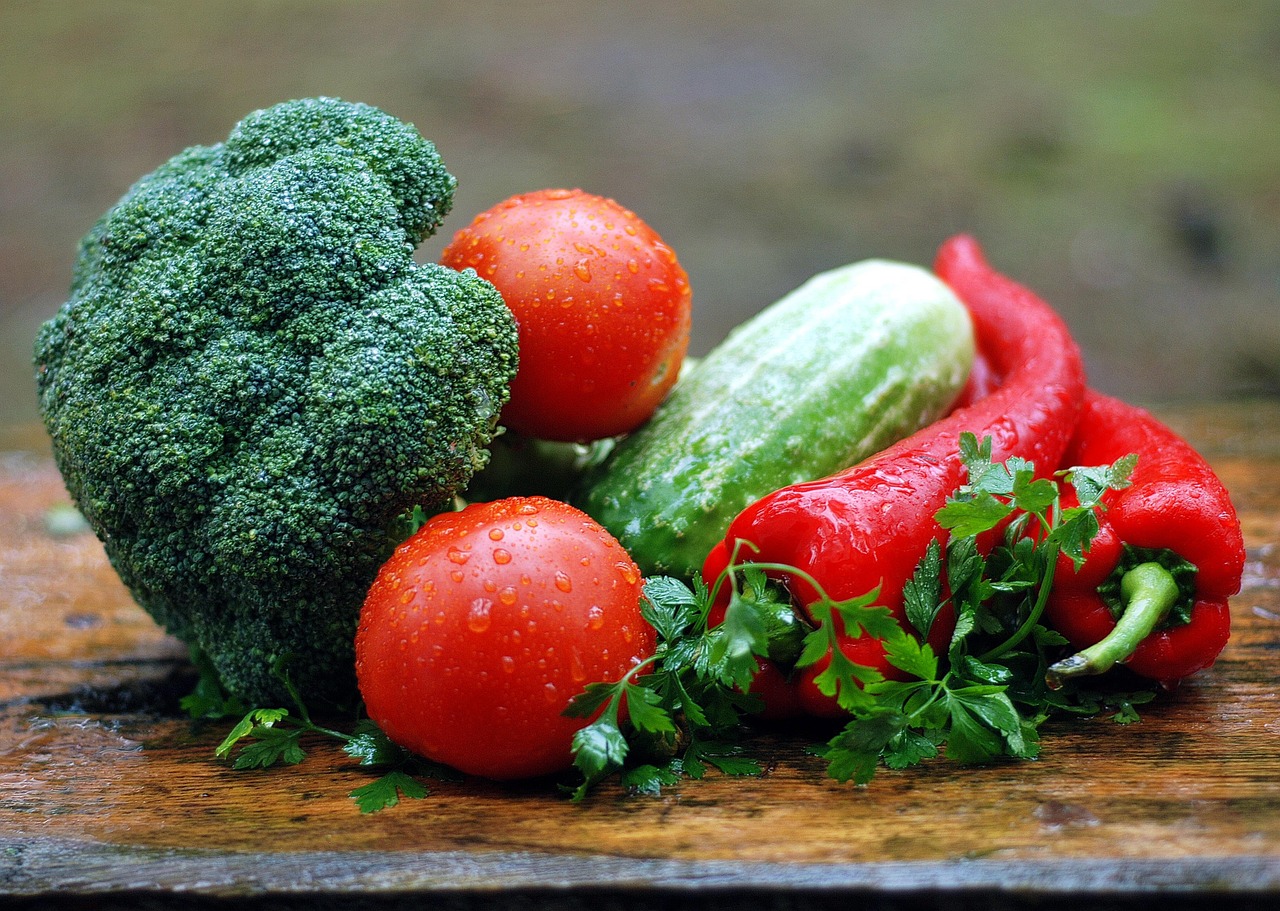
Embarking on the Whole30 program is a powerful step towards resetting your health, understanding your relationship with food, and discovering what truly nourishes your body. While the thought of eliminating common food groups like grains, dairy, legumes, and added sugars for 30 days can seem daunting, it doesn’t mean sacrificing flavor or excitement in your meals. In fact, Whole30 recipes open up a vibrant world of delicious, wholesome dishes that will keep you satisfied, energized, and looking forward to every bite. Get ready to transform your kitchen into a hub of culinary creativity and discover just how incredible compliant eating can be!
Mastering Whole30: Why Recipes Are Your Best Ally
The Whole30 program is more than just a diet; it’s a 30-day nutritional reset designed to help you identify how different foods affect your body, mood, and overall health. Success on Whole30 hinges significantly on planning and preparation, and that’s where a robust collection of delicious, compliant recipes becomes indispensable.
Understanding the Whole30 Philosophy
The core principle of Whole30 is to eliminate potentially inflammatory or problematic foods for 30 days and then reintroduce them systematically. This helps you pinpoint specific food sensitivities and establish healthier eating habits.
Focus on whole, unprocessed foods: Meats, seafood, eggs, vegetables, fruits, and healthy fats.
Strict avoidance: No added sugar (real or artificial), alcohol, grains, legumes, dairy, or carrageenan, MSG, or sulfites.
No weighing or measuring: The program encourages listening to your body’s hunger cues, not calorie counting.
The Indispensable Role of Recipes
Without appealing recipes, the program can quickly feel restrictive and lead to boredom or cravings. Great Whole30 recipes transform compliant ingredients into satisfying meals, making the journey enjoyable and sustainable.
Variety is key: Prevents palate fatigue and ensures you get a broad spectrum of nutrients.
Reduces decision fatigue: Having a pre-planned menu with tested recipes simplifies meal times.
Inspires creativity: Encourages you to explore new ingredients and cooking methods.
Ensures compliance: Following a recipe with clearly listed compliant ingredients removes guesswork.
Actionable Takeaway: Before you begin, dedicate time to creating a meal plan for your first week using a variety of Whole30 recipes. This proactive step significantly boosts your chances of success.
Building Your Whole30 Pantry: Essential Ingredients
A well-stocked pantry is the foundation of effortless Whole30 cooking. Knowing which ingredients are compliant and having them readily available will save you time, stress, and potential slip-ups.
Protein Powerhouses
Proteins are central to Whole30, providing satiety and essential nutrients. Always opt for high-quality, minimally processed options.
Meats: Grass-fed beef, pastured pork, organic chicken, turkey.
Seafood: Wild-caught salmon, cod, shrimp, tuna (canned in water or olive oil, check ingredients).
Eggs: Pastured or organic eggs are a versatile and quick protein source.
Veggie Variety
Vegetables should make up a significant portion of your Whole30 plate, offering fiber, vitamins, and minerals.
Leafy Greens: Spinach, kale, mixed greens, arugula.
Cruciferous Vegetables: Broccoli, cauliflower, Brussels sprouts.
Root Vegetables: Sweet potatoes, carrots, parsnips, butternut squash.
Other Staples: Bell peppers, onions, garlic, zucchini, mushrooms.
Healthy Fats & Flavor Boosters
These ingredients are crucial for adding flavor, texture, and healthy fats to your Whole30 meals.
Cooking Fats: Avocado oil, olive oil (for finishing), coconut oil, ghee (clarified butter).
Nuts & Seeds (in moderation): Almonds, walnuts, cashews, chia seeds, flax seeds (check for added sugars/oils).
Nut Butters: Almond butter, cashew butter (ensure no added sugars or non-compliant oils).
Spices & Herbs: A diverse collection of dried herbs and spices (e.g., cumin, paprika, oregano, thyme) and fresh herbs (cilantro, parsley, basil).
Vinegars: Apple cider vinegar, red wine vinegar, balsamic vinegar (check for added sugar).
Broths: Bone broth or compliant chicken/vegetable broth (ensure no added sugars or non-compliant ingredients).
Actionable