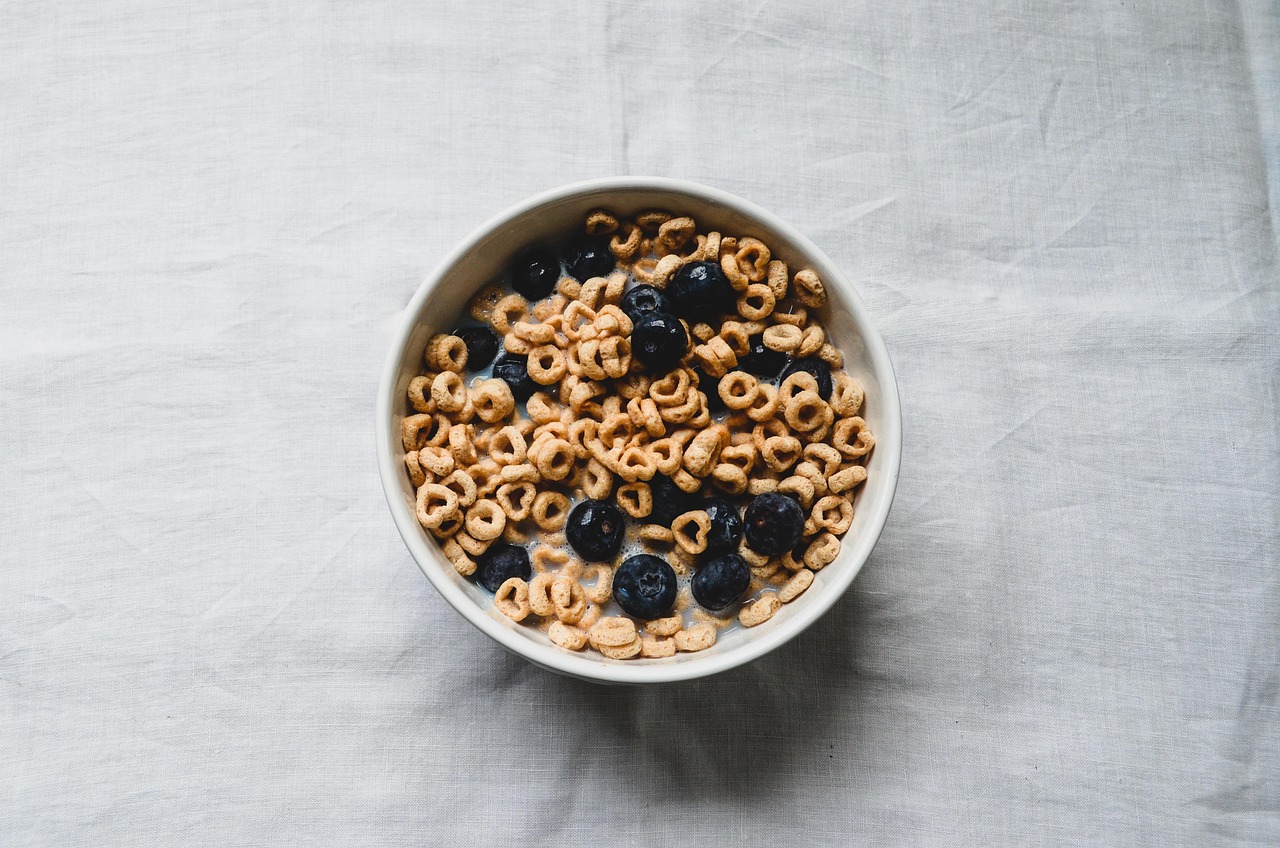
Navigating the world of cholesterol can feel daunting, but the good news is that your plate holds incredible power. Far from restrictive, a cholesterol-friendly diet opens up a delicious array of foods that actively work to support your heart health. By making informed choices, you can effectively manage your cholesterol levels, reduce your risk of heart disease, and feel more vibrant every day. Let’s explore the flavorful journey towards a healthier heart, one bite at a time.
Understanding Cholesterol and Its Dietary Connection
Before diving into the foods themselves, it’s helpful to understand what cholesterol is and how your diet plays a pivotal role in its management.
What is Cholesterol?
Cholesterol is a waxy, fat-like substance found in all your body’s cells. It’s essential for making hormones, vitamin D, and substances that help you digest food. Your liver makes all the cholesterol you need, but you also get it from certain foods. There are two main types:
Low-density lipoprotein (LDL) cholesterol: Often called “bad” cholesterol, high levels can lead to plaque buildup in your arteries, narrowing them and increasing the risk of heart attack and stroke.
High-density lipoprotein (HDL) cholesterol: Known as “good” cholesterol, HDL helps remove excess cholesterol from your arteries and transport it back to the liver for removal from the body.
The Role of Diet
Dietary choices significantly impact your cholesterol levels, particularly LDL. Foods high in saturated and trans fats are notorious for raising LDL cholesterol. Conversely, incorporating specific nutrients like soluble fiber, healthy fats, and plant sterols can actively help lower LDL and improve your overall lipid profile. Making conscious food choices is a powerful, non-pharmacological way to take control of your heart health.
Fiber-Rich Powerhouses: Your Gut’s Best Friends
Fiber, especially soluble fiber, is a superstar in the realm of cholesterol-friendly eating. It acts like a sponge in your digestive system, binding to cholesterol and helping to usher it out of your body before it can be absorbed.
Soluble Fiber Superstars
These foods are particularly rich in soluble fiber and should be a cornerstone of your cholesterol-lowering diet.
Oats and Barley: Both are excellent sources of beta-glucan, a type of soluble fiber. Studies show that consuming 3 grams of beta-glucan daily can lower total and LDL cholesterol by 5-10%.
Practical Tip: Start your day with a bowl of oatmeal or add barley to soups and stews.
Legumes (Beans, Lentils, Chickpeas): These versatile plant-based proteins are packed with soluble fiber.
Practical Tip: Incorporate beans into salads, make lentil soup, or enjoy hummus as a snack.
Fruits (Apples, Pears, Citrus Fruits, Berries): Pectin, another soluble fiber, is abundant in many fruits.
Practical Tip: Enjoy a whole apple as a snack or add berries to your yogurt or oatmeal.
Vegetables (Brussels Sprouts, Broccoli, Carrots): Many vegetables offer a good dose of soluble fiber alongside other vital nutrients.
Practical Tip: Steam or roast these vegetables as a side dish, or add them to stir-fries.
Insoluble Fiber for Overall Health
While soluble fiber directly impacts cholesterol, insoluble fiber is equally important for digestive health, promoting regularity and contributing to a feeling of fullness, which can aid in weight management – another factor in heart health.
Examples: Whole wheat products, nuts, seeds, and the skins of many fruits and vegetables.
Actionable Takeaway: Aim for 25-30 grams of total dietary fiber per day from a variety of plant-based sources.
Embrace Healthy Fats: The Good Kind of Fat
Not all fats are created equal. While saturated and trans fats can raise LDL cholesterol, certain healthy fats are crucial for